Young Mel Gibson
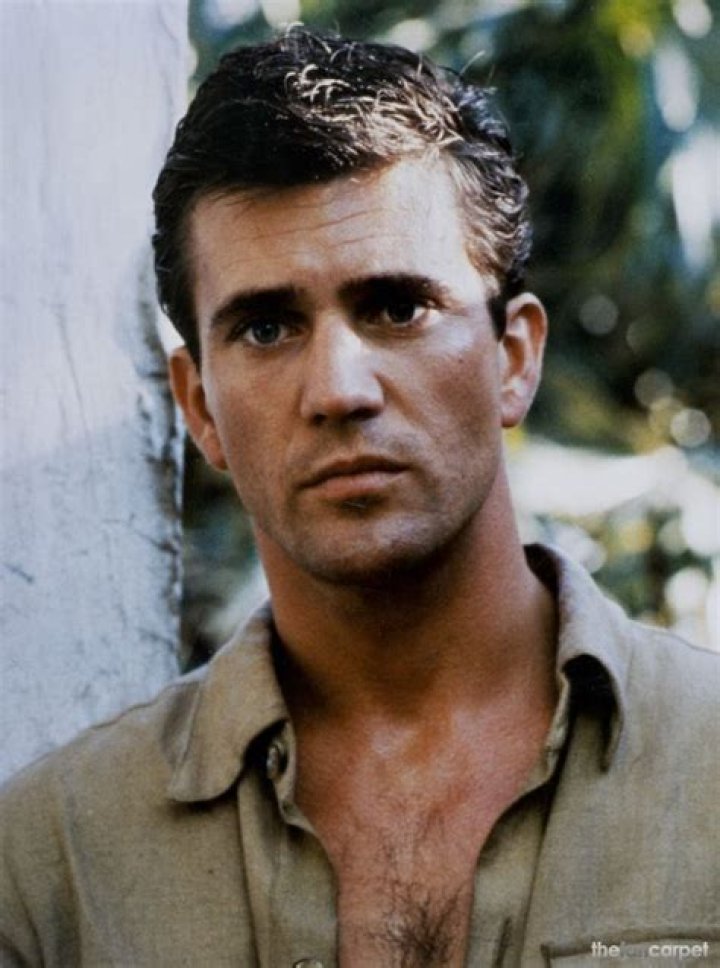
"Young Mel Gibson" refers to the early career and life of the renowned actor and filmmaker Mel Gibson.
During his youth, Gibson gained significant recognition for his captivating performances in films such as "Mad Max" (1979) and "The Road Warrior" (1981), showcasing his exceptional acting range and charisma. Gibson's portrayal of compelling and often complex characters established him as a rising star in Hollywood.
The term "young Mel Gibson" encapsulates the period in his career when he transitioned from a promising actor to a global icon. His talent, dedication, and memorable performances during this time laid the foundation for his enduring success in the entertainment industry.
Young Mel Gibson
The term "young Mel Gibson" encompasses the early career and life of the renowned actor and filmmaker Mel Gibson. During his youth, Gibson gained significant recognition for his captivating performances in films such as "Mad Max" (1979) and "The Road Warrior" (1981), showcasing his exceptional acting range and charisma. Gibson's portrayal of compelling and often complex characters established him as a rising star in Hollywood.
- Breakthrough: "Mad Max" (1979)
- Action Hero: "The Road Warrior" (1981)
- Rising Star: "Lethal Weapon" (1987)
- Critical Acclaim: "Hamlet" (1990)
- Directorial Debut: "The Man Without a Face" (1993)
- Global Icon: "Braveheart" (1995)
- Personal Struggles: Public controversies
These key aspects highlight the diverse dimensions of "young Mel Gibson," from his breakthrough performances to his rise as a global icon. His talent, dedication, and memorable performances during this time laid the foundation for his enduring success in the entertainment industry.
Personal Details and Bio Data of Mel Gibson
| Name | Mel Colmcille Gerard Gibson |
|---|---|
| Date of Birth | January 3, 1956 |
| Birthplace | Peekskill, New York, U.S. |
| Occupation | Actor, Filmmaker, Screenwriter |
| Years Active | 1977present |
| Spouse | Robyn Moore (m. 19802011) |
| Children | 8 |
Breakthrough
Mel Gibson's breakthrough role in "Mad Max" (1979) marked a pivotal moment in his career, propelling him to international fame and establishing him as a rising star in Hollywood.
- Rising Star: Gibson's portrayal of the titular character, Max Rockatansky, showcased his exceptional acting range and charisma, capturing the attention of audiences worldwide.
- Action Hero: The film's high-octane action sequences and gritty post-apocalyptic setting catapulted Gibson into the forefront of the action genre, solidifying his status as a leading man.
- Global Recognition: "Mad Max" became a global phenomenon, grossing over $100 million worldwide and spawning several sequels, further cementing Gibson's position as a global icon.
- Career Trajectory: The success of "Mad Max" opened doors for Gibson, leading to a series of high-profile roles and solidifying his place as one of the most sought-after actors in Hollywood.
The breakout role in "Mad Max" not only showcased Gibson's talent but also set the stage for his future success in the entertainment industry. It marked the beginning of a remarkable journey that would see him become one of the most iconic and influential figures in Hollywood history.
Action Hero
Mel Gibson's role in "The Road Warrior" (1981) solidified his status as a global action hero and cemented his position as one of the most sought-after actors in Hollywood. The film's critical and commercial success further propelled Gibson's career and defined the young actor's image as a charismatic and compelling leading man.
The character of Max Rockatansky, a hardened survivor in a post-apocalyptic wasteland, resonated with audiences worldwide. Gibson's portrayal of Max's struggle for survival and his unwavering determination showcased his exceptional acting range and physicality, solidifying his position as a leading man in the action genre.
"The Road Warrior" became a defining moment in Gibson's career, propelling him to international stardom and establishing him as a global icon. The film's success also had a significant impact on the action genre, influencing countless future productions and cementing Gibson's place as one of the most influential action stars of all time.
Rising Star
Mel Gibson's pivotal role in "Lethal Weapon" (1987) marked a significant turning point in his career, solidifying his status as a rising star and propelling him to the forefront of Hollywood's leading men. The film's critical and commercial success not only showcased Gibson's exceptional acting range but also cemented his position as a charismatic and compelling leading man.
Gibson's portrayal of Martin Riggs, a maverick and troubled police detective, resonated with audiences worldwide. His ability to balance the character's vulnerability and toughness, humor and pathos, showcased his exceptional acting abilities and versatility. The film's success catapulted Gibson into the ranks of Hollywood's A-list actors, establishing him as a bankable star and opening doors to a wide range of future opportunities.
The significance of "Lethal Weapon" in Gibson's career cannot be overstated. It cemented his position as a rising star, solidified his image as a charismatic and compelling leading man, and set the stage for his future success in Hollywood. The film's enduring popularity and Gibson's iconic performance continue to inspire and entertain audiences to this day.
Critical Acclaim
Mel Gibson's acclaimed performance in "Hamlet" (1990) marked a significant turning point in his career, showcasing his exceptional range and versatility as an actor. His portrayal of the titular character garnered widespread critical praise and solidified his position as a serious and respected thespian.
- Recognition of Talent: Gibson's Hamlet was lauded for its depth, nuance, and emotional intensity, demonstrating his ability to tackle complex and challenging roles.
- Critical Accolades: The performance earned Gibson numerous accolades, including the New York Film Critics Circle Award for Best Actor and a nomination for the Academy Award for Best Actor.
- Versatility: Gibson's portrayal of Hamlet showcased his range as an actor, moving away from his previous action-hero persona and proving his ability to handle classical and dramatic roles.
- Career Trajectory: The critical acclaim for "Hamlet" elevated Gibson's status in Hollywood, opening doors to more diverse and challenging roles in the future.
Gibson's Hamlet was a pivotal moment in his career, demonstrating his growth as an actor and solidifying his place among the most respected and talented performers of his generation. It marked a departure from his earlier action-hero roles and showcased his versatility and commitment to his craft.
Directorial Debut
Mel Gibson's directorial debut with "The Man Without a Face" (1993) marked a significant milestone in his career, further showcasing his versatility and passion for storytelling. The film's critical and commercial success cemented Gibson's position as a multi-faceted filmmaker and demonstrated the depth of his talent.
- Artistic Vision: Gibson's directorial debut revealed his unique artistic vision and storytelling abilities. The film's exploration of themes such as identity, acceptance, and the human condition showcased his maturity as a filmmaker.
- Emotional Depth: "The Man Without a Face" demonstrated Gibson's ability to elicit strong emotional responses from his audience. The film's poignant story and powerful performances resonated with audiences, showcasing Gibson's talent for creating emotionally impactful films.
- Critical Recognition: The film received critical acclaim, with praise for Gibson's direction and the performances of the cast. The film's success further solidified Gibson's reputation as a talented and respected filmmaker.
Gibson's directorial debut with "The Man Without a Face" not only showcased his versatility but also hinted at the successful filmmaking career that lay ahead. His ability to balance commercial success with critical recognition demonstrated his mastery of the craft and set the stage for his future achievements as a filmmaker.
Global Icon
Mel Gibson's directorial masterpiece, "Braveheart" (1995), cemented his status as a global icon and solidified his position as one of the most influential filmmakers of his generation. The film's critical and commercial success propelled Gibson to the forefront of Hollywood and showcased his exceptional storytelling abilities.
The film's epic scope, stunning visuals, and powerful performances resonated with audiences worldwide. Gibson's portrayal of William Wallace, the legendary Scottish warrior, showcased his charismatic screen presence and his ability to bring historical figures to life. The film's themes of freedom, sacrifice, and national identity struck a chord with audiences, making it a global phenomenon.
"Braveheart" was a defining moment in Gibson's career, solidifying his reputation as a talented and respected filmmaker. The film's success opened doors to even greater opportunities, allowing Gibson to pursue his passion for storytelling and cement his legacy as a global icon.
Personal Struggles
Mel Gibson's personal struggles and public controversies have been widely reported and have had a significant impact on his career and public image. These controversies have ranged from allegations of domestic violence and anti-Semitism to incidents of drunk driving and verbal altercations.
While it is important to separate an artist's personal life from their work, Gibson's controversies have, at times, overshadowed his professional achievements. The allegations of domestic violence, in particular, have led to widespread condemnation and have damaged his reputation.
Gibson's struggles with alcohol and substance abuse have also been well-documented. In 2006, he was arrested for drunk driving and made several anti-Semitic remarks during his arrest. These incidents further tarnished his image and led to a decline in his career.
Despite these controversies, Gibson has continued to work as an actor and director. However, his personal struggles have undoubtedly had a negative impact on his career and public perception.
Frequently Asked Questions about "Young Mel Gibson"
This section addresses some of the most commonly asked questions about "young Mel Gibson," providing brief and informative answers to clarify any misconceptions or concerns.
Question 1: What was Mel Gibson's breakthrough role?
Mel Gibson's breakthrough role was Max Rockatansky in the post-apocalyptic action film "Mad Max" (1979), which launched his career and established him as a rising star.
Question 2: Which film solidified Mel Gibson's status as a global action hero?
"The Road Warrior" (1981), the sequel to "Mad Max," cemented Mel Gibson's position as a global action hero and showcased his exceptional physicality and charisma in the role.
Question 3: How did "Lethal Weapon" impact Mel Gibson's career?
The success of "Lethal Weapon" (1987) propelled Mel Gibson to the forefront of Hollywood's leading men, showcasing his versatility and establishing him as a bankable star.
Question 4: What was the significance of Mel Gibson's performance in "Hamlet"?
Mel Gibson's acclaimed portrayal of Hamlet in the 1990 film adaptation demonstrated his range as an actor and earned him critical recognition, solidifying his position as a serious and respected thespian.
Question 5: When did Mel Gibson make his directorial debut?
Mel Gibson's directorial debut was in 1993 with the film "The Man Without a Face," showcasing his artistic vision and storytelling abilities.
Question 6: Which film cemented Mel Gibson's status as a global icon?
"Braveheart" (1995), directed and starring Mel Gibson, was a critical and commercial triumph that solidified his position as a global icon and showcased his exceptional filmmaking skills.
These questions and answers provide a concise overview of some key aspects of "young Mel Gibson" and his early career, highlighting his breakthrough roles, significant achievements, and the impact of his work on the entertainment industry.
Transition to the next article section: Mel Gibson's personal life and controversies.
Tips Inspired by "Young Mel Gibson"
The early career of Mel Gibson, marked by his exceptional talent and dedication, offers valuable insights and tips for aspiring actors and filmmakers.
Tip 1: Embrace Versatility:
Gibson's ability to transition seamlessly between action hero roles and more nuanced dramatic performances demonstrates the importance of versatility in the entertainment industry. By broadening your skillset, you increase your chances of success in a competitive field.
Tip 2: Seek Artistic Challenges:
Gibson's portrayal of Hamlet showcased his willingness to take on challenging roles that test his abilities. Embracing artistic challenges not only enhances your skills but also signals your commitment to growth and professionalism.
Tip 3: Collaborate with Talented Individuals:
Gibson's successful collaborations with directors like George Miller and Richard Donner highlight the power of working with talented individuals. Surround yourself with a supportive team that shares your passion and can elevate your work.
Tip 4: Stay Grounded and Authentic:
Despite his fame and success, Gibson has maintained a sense of authenticity. Staying grounded and true to yourself can help you navigate the challenges of the entertainment industry and build a lasting career.
Tip 5: Learn from Your Mistakes:
Gibson's personal struggles have been well-documented, but he has shown resilience and a commitment to growth. Learn from your mistakes, take responsibility for your actions, and use them as opportunities for personal and professional development.
Tip 6: Embrace Your Passion:
Gibson's enduring passion for storytelling is evident in his work. Identify your passion and pursue it with unwavering determination. Passion fuels creativity and drives you to achieve your goals.
Summary:
By following these tips inspired by the early career of Mel Gibson, aspiring actors and filmmakers can enhance their skills, embrace challenges, and navigate the entertainment industry with authenticity and determination.
Conclusion:
The legacy of "young Mel Gibson" serves as a reminder of the transformative power of talent, dedication, and a willingness to embrace both success and adversity. May these tips inspire you on your own creative journey.
Conclusion
The exploration of "young Mel Gibson" reveals a captivating narrative of an actor and filmmaker's early career marked by exceptional talent, breakthrough roles, and a dedication to storytelling. His journey underscores the transformative power of embracing artistic challenges, collaborating with talented individuals, and staying grounded amidst both success and adversity.
The legacy of "young Mel Gibson" serves as an inspiration to aspiring creatives everywhere, reminding them that with passion, perseverance, and a willingness to learn from their mistakes, they can achieve their own artistic triumphs.
Omikaye Phifer
Does Bruno Mars Have Kids
Can You Wear Gold To A Wedding