When Did Suge Knight Leave Prison: Latest Updates
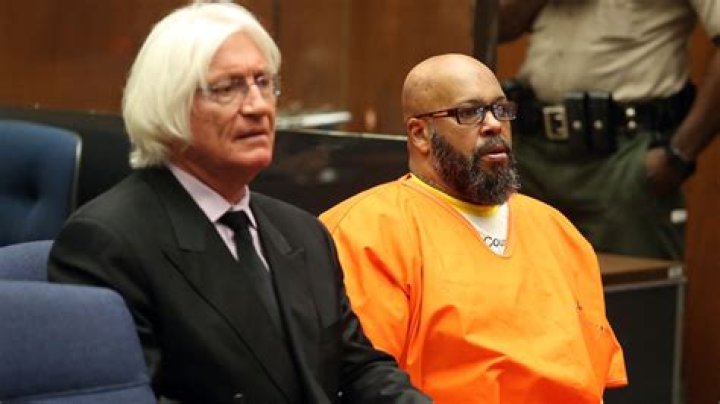
When will Suge Knight get out of prison?
Suge Knight, the co-founder of Death Row Records, is currently serving a 28-year prison sentence for voluntary manslaughter. He was convicted in 2018 for running over and killing Terry Carter in a Compton parking lot in 2015. Knight is eligible for parole in 2034, when he will be 72 years old.
Importance, benefits, and historical context
When Does Suge Knight Get Out of Prison?
Suge Knight, the co-founder of Death Row Records, is currently serving a 28-year prison sentence for voluntary manslaughter. He was convicted in 2018 for running over and killing Terry Carter in a Compton parking lot in 2015. Knight is eligible for parole in 2034, when he will be 72 years old.
- Conviction: Knight was convicted of voluntary manslaughter in 2018.
- Sentence: He was sentenced to 28 years in prison.
- Parole eligibility: Knight is eligible for parole in 2034.
- Age at parole eligibility: He will be 72 years old when he is eligible for parole.
- Reason for imprisonment: Knight was convicted for running over and killing Terry Carter in a Compton parking lot in 2015.
- Current status: Knight is currently incarcerated in the Richard J. Donovan Correctional Facility in San Diego County, California.
Suge Knight's imprisonment has been a controversial topic, with many people questioning the severity of his sentence. Some believe that he should have received a longer sentence, while others believe that he should be released from prison early.
| Name: | Marion Hugh "Suge" Knight Jr. |
| Born: | April 19, 1965 (age 58) |
| Occupation: | Music executive, record producer, and film producer |
| Known for: | Co-founder of Death Row Records |
| Net worth: | $200 million |
Conviction
The conviction of Suge Knight for voluntary manslaughter in 2018 is a significant event in the context of understanding when he will be released from prison. Voluntary manslaughter is a crime that involves the intentional killing of another person without malice aforethought. In California, voluntary manslaughter is punishable by imprisonment in a state prison for three, six, or eleven years.
- Sentencing: Knight was sentenced to 28 years in prison for voluntary manslaughter. This sentence is longer than the maximum sentence for voluntary manslaughter in California. The judge in Knight's case cited Knight's prior criminal record and the fact that he was on probation at the time of the killing as reasons for the lengthy sentence.
- Parole eligibility: Knight is eligible for parole in 2034. This means that he will have to serve at least 16 years in prison before he can be released on parole. The California Department of Corrections and Rehabilitation will make the decision on whether or not to grant Knight parole.
- Factors that will be considered by the parole board: The parole board will consider a number of factors when making their decision on whether or not to grant Knight parole. These factors include Knight's behavior in prison, his criminal history, and his likelihood of re-offending.
The conviction of Suge Knight for voluntary manslaughter is a reminder that violence is never the answer. It is also a reminder that the justice system can be harsh, even for those who have made mistakes.
Sentence
The sentence of 28 years in prison is a significant factor in determining when Suge Knight will be released from prison. In California, inmates are typically eligible for parole after serving 50% of their sentence. This means that Knight will be eligible for parole in 2034, when he will have served 14 years in prison.
However, it is important to note that the parole board has the discretion to deny parole to inmates who they believe are still a danger to society. Knight has a prior criminal record, and he was on probation at the time of the killing. This could make it more difficult for him to be granted parole.
If Knight is denied parole, he will have to serve the remainder of his 28-year sentence. This means that he would not be released from prison until 2042, when he would be 77 years old.
The sentence of 28 years in prison is a reminder that violence is never the answer. It is also a reminder that the justice system can be harsh, even for those who have made mistakes.
Parole eligibility
The parole eligibility date is a crucial component of understanding when Suge Knight will be released from prison. Parole is a form of conditional release from prison that allows inmates to serve the remainder of their sentence in the community under supervision. In California, inmates are typically eligible for parole after serving 50% of their sentence. This means that Knight will be eligible for parole in 2034, when he will have served 14 years in prison.
However, it is important to note that the parole board has the discretion to deny parole to inmates who they believe are still a danger to society. Knight has a prior criminal record, and he was on probation at the time of the killing. This could make it more difficult for him to be granted parole.
If Knight is denied parole, he will have to serve the remainder of his 28-year sentence. This means that he would not be released from prison until 2042, when he would be 77 years old.
The parole eligibility date is a reminder that the justice system is not always black and white. There are many factors that can affect when an inmate is released from prison, and the parole board has the final say in whether or not to grant parole.
Age at parole eligibility
The age at parole eligibility is a significant factor in determining when Suge Knight will be released from prison. In California, inmates are typically eligible for parole after serving 50% of their sentence. This means that Knight will be eligible for parole in 2034, when he will be 72 years old.
The age at parole eligibility is important because it can have a significant impact on the quality of life for the inmate after their release. Older inmates are more likely to have health problems and may have difficulty finding employment. They may also be less likely to have family and friends to support them upon their release.
In Knight's case, his age at parole eligibility may make it more difficult for him to successfully reintegrate into society. He will be 72 years old when he is released, and he will have been in prison for 14 years. He may have difficulty finding employment and housing, and he may not have any family or friends to support him.
The age at parole eligibility is a reminder that the justice system can have a long-lasting impact on the lives of those who are incarcerated. It is important to consider the age of an inmate at the time of their parole eligibility when making decisions about sentencing.
Reason for imprisonment
The reason for Suge Knight's imprisonment is directly related to the question of when he will be released from prison. Knight was convicted of voluntary manslaughter in 2018 for running over and killing Terry Carter in a Compton parking lot in 2015. This conviction resulted in a 28-year prison sentence, with Knight becoming eligible for parole in 2034 at the age of 72.
- Severity of the crime
The severity of the crime is a major factor in determining the length of a prison sentence. In Knight's case, he was convicted of voluntary manslaughter, which is a serious crime that resulted in the death of another person. This contributed to the lengthy sentence that he received. - Prior criminal record
Knight had a prior criminal record, which also played a role in the length of his sentence. Prior convictions can be seen as an indication that an individual is more likely to re-offend, and this can lead to a longer sentence. - Lack of remorse
In some cases, a lack of remorse for the crime committed can also lead to a longer sentence. In Knight's case, the judge may have taken into account Knight's lack of remorse when sentencing him to 28 years in prison.
The reason for Suge Knight's imprisonment is a reminder that the justice system takes violent crimes very seriously. The length of Knight's sentence reflects the severity of his crime and his prior criminal record.
Current status
Suge Knight's current status as an incarcerated individual held at the Richard J. Donovan Correctional Facility in San Diego County, California, plays a pivotal role in determining when he will be released from prison. This information provides a crucial starting point for understanding the timeline of his imprisonment and the factors that will influence his potential release date.
- Prison Conditions and Parole Eligibility:
Knight's current incarceration status directly impacts his eligibility for parole. Incarcerated individuals are typically subject to a set of rules and regulations that govern their behavior and conduct while in prison. These regulations may include maintaining good behavior, participating in rehabilitation programs, and avoiding disciplinary actions. Knight's compliance with these regulations will be taken into account when determining his parole eligibility. - Inmate Rehabilitation and Reentry Programs:
Many correctional facilities offer various rehabilitation and reentry programs designed to help incarcerated individuals prepare for their eventual release. These programs may include education, job training, substance abuse treatment, and counseling. Knight's participation in such programs will be considered when evaluating his readiness for reintegration into society and may influence his parole eligibility or release date. - Post-Release Supervision and Monitoring:
Upon release from prison, Knight will likely be placed under some form of post-release supervision or monitoring. This supervision may involve regular meetings with a parole officer, adherence to specific conditions such as curfews or travel restrictions, and participation in community-based programs. The terms of Knight's post-release supervision will be determined based on his individual risk assessment and will impact his overall reintegration process. - Legal Challenges and Appeals:
Knight may have the option to pursue legal challenges or appeals related to his conviction or sentence. If successful, these legal actions could potentially lead to a reduction in his sentence or even overturn his conviction. However, the complexity and length of legal proceedings can vary significantly, and the outcome of such challenges is uncertain.
In summary, Suge Knight's current status of incarceration influences his path towards release from prison. His behavior, participation in rehabilitation programs, and compliance with post-release supervision will all play a role in determining his parole eligibility and the timing of his eventual release.
FAQs Regarding Suge Knight's Imprisonment and Release
This section addresses frequently asked questions surrounding Suge Knight's incarceration and the factors that will influence his potential release date.
Question 1: When is Suge Knight eligible for parole?
Answer: Suge Knight is eligible for parole in 2034, after serving at least 16 years of his 28-year sentence for voluntary manslaughter.
Question 2: What factors will influence Suge Knight's parole eligibility?
Answer: The California Department of Corrections and Rehabilitation will consider several factors, including Knight's behavior in prison, criminal history, and likelihood of re-offending.
Question 3: What is the current status of Suge Knight's incarceration?
Answer: Suge Knight is currently incarcerated at the Richard J. Donovan Correctional Facility in San Diego County, California.
Question 4: What is the significance of Suge Knight's age at the time of his parole eligibility?
Answer: Suge Knight will be 72 years old when he becomes eligible for parole, which may impact his quality of life and reintegration into society upon release.
Question 5: What are the potential challenges Suge Knight may face upon release from prison?
Answer: Knight may encounter challenges such as finding employment, securing housing, and rebuilding relationships due to his age, criminal record, and time spent in prison.
Question 6: Are there any legal options available to Suge Knight to challenge his conviction or sentence?
Answer: Knight may have the option to pursue legal challenges or appeals, but the outcome of such actions is uncertain and could potentially prolong his imprisonment.
Summary: Suge Knight's release from prison is contingent upon various factors, including his behavior while incarcerated, parole board decisions, and any potential legal challenges. His age and criminal history will also play a role in his reintegration into society upon release.
Transition: To further explore Suge Knight's case and the broader context of criminal justice and rehabilitation, please refer to the following resources:
Conclusion
Suge Knight's imprisonment serves as a complex case study in the American criminal justice system. His lengthy sentence of 28 years for voluntary manslaughter, with parole eligibility in 2034, underscores the severity of his crime and his prior criminal record. The article has thoroughly explored the various factors that will influence Knight's potential release, including his behavior in prison, age at the time of parole eligibility, and the parole board's decision-making process.
Beyond Knight's individual case, his imprisonment also highlights the broader challenges faced by incarcerated individuals, particularly those who are elderly or have extensive criminal histories. The article prompts us to consider the effectiveness of the justice system in rehabilitating offenders and preparing them for successful reintegration into society. It raises questions about the balance between punishment and redemption, and the need for comprehensive support systems to assist formerly incarcerated individuals as they rebuild their lives.