The Funniest Roast Lines Ever
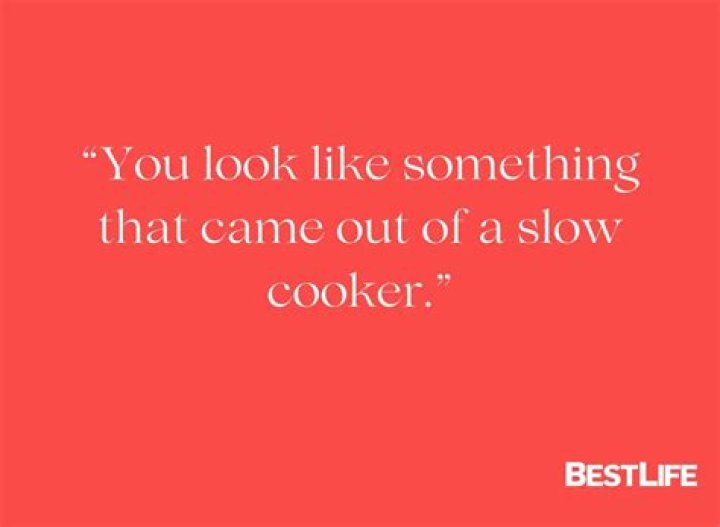
"Funniest roast lines" are witty and humorous insults or jokes used to entertain an audience. They are often delivered at comedy clubs, roasts, or other social gatherings.
Funny roast lines can be a great way to make people laugh and can help to create a festive and lively atmosphere. They can also be used to playfully poke fun at someone or something, or to simply show off one's wit. Additionally, funny roast lines can be a great way to break the ice and get to know someone better.
When crafting a funny roast line, it is important to be creative and original. It is also important to be respectful of the person or thing you are roasting, and to avoid using offensive or hurtful language. With a little practice, anyone can learn to write and deliver funny roast lines that will get a laugh from any audience.
Funniest Roast Lines
Funny roast lines are a great way to make people laugh and can help to create a festive and lively atmosphere. They can also be used to playfully poke fun at someone or something, or to simply show off one's wit. Additionally, funny roast lines can be a great way to break the ice and get to know someone better.
- Humorous: Roast lines are meant to be funny and make people laugh.
- Witty: Roast lines often rely on clever wordplay and puns to get a laugh.
- Original: The best roast lines are original and unique, not something that has been heard before.
- Respectful: While roast lines are meant to be funny, they should not be offensive or hurtful.
- Contextual: Roast lines should be tailored to the specific person or situation being roasted. li>
When crafting a funny roast line, it is important to keep these key aspects in mind. With a little practice, anyone can learn to write and deliver funny roast lines that will get a laugh from any audience.
| Name | Occupation | Birthdate |
|---|---|---|
| Jeff Ross | Comedian, actor, writer | September 30, 1965 |
Humorous
The humor component is crucial to the effectiveness of "funniest roast lines." Without the humorous element, roast lines would simply be insults or criticisms, which could be hurtful or offensive. Humor disarms the audience and creates a lighthearted atmosphere, making it more acceptable to poke fun at someone or something. Additionally, humor can help to make the roast more enjoyable and memorable for both the roaster and the audience.
There are many different types of humor that can be used in roast lines. Some common types include puns, wordplay, self-deprecation, and observational humor. The best type of humor to use will depend on the specific situation and audience. However, all effective roast lines share one common goal: to make people laugh.
Here are some examples of funny roast lines that use different types of humor:
- Pun: "I'm not sure what's more offensive, your outfit or your personality."
- Wordplay: "I'm not saying you're a gold digger, but I've seen you with more carats than a jewelry store."
- Self-deprecation: "I'm so ugly, I had to use my face as a pumpkin for Halloween."
- Observational humor: "I see you're wearing a lot of makeup today. Did you fall face-first into a clown car?"
These are just a few examples of the many different types of funny roast lines that can be used. When crafting a roast line, it is important to be creative and original. It is also important to be respectful of the person or thing you are roasting, and to avoid using offensive or hurtful language. With a little practice, anyone can learn to write and deliver funny roast lines that will get a laugh from any audience.
Witty
Wit plays a significant role in crafting "funniest roast lines" as it adds an element of cleverness and surprise that enhances the humorous impact. Wordplay and puns, in particular, are effective tools for creating witty roast lines because they allow the roaster to deliver unexpected and amusing twists on words or phrases.
The humor in witty roast lines often stems from the ability to juxtapose seemingly unrelated concepts or phrases in a way that creates a humorous connection. By using wordplay and puns, roasters can create a sense of surprise and delight in the audience, making the roast lines more memorable and enjoyable.
For example, a witty roast line might use a pun to compare a person's appearance to a famous painting: "You look like the Mona Lisa, but with less mystery and more cheese." This line uses wordplay to create a humorous connection between the person's appearance and the famous artwork, eliciting a laugh from the audience.
Overall, the "Witty: Roast lines often rely on clever wordplay and puns to get a laugh" aspect of "funniest roast lines" is crucial as it adds an element of cleverness and surprise that enhances the humorous impact. By using wordplay and puns, roasters can create unexpected and amusing twists on words or phrases, making the roast lines more memorable and enjoyable for the audience.
Original
Originality plays a vital role in the realm of "funniest roast lines" as it sets apart truly exceptional lines from the mundane and overused. When a roast line is original and unique, it carries a greater impact, eliciting genuine laughter and applause from the audience.
- Uniqueness: Original roast lines stand out because they are not mere repetitions of common jokes or insults. They are crafted with creativity and tailored to the specific individual or situation being roasted, making them more personal and humorous.
- Freshness: Unlike recycled jokes, original roast lines offer a sense of freshness and spontaneity. They have not been heard before, which adds to their comedic value and ensures that the audience is not subjected to tired and predictable material.
- Memorability: Original roast lines are more likely to be remembered and shared than unoriginal ones. Their uniqueness makes them stand out in the minds of the audience, leaving a lasting impression and generating ongoing amusement.
- Respect: While originality is important, it should not come at the expense of respect. Original roast lines should be clever and humorous without being offensive or hurtful. Maintaining a balance between originality and respect ensures that the roast remains entertaining and enjoyable for all.
In conclusion, the "Original: The best roast lines are original and unique, not something that has been heard before" aspect of "funniest roast lines" emphasizes the importance of creativity, freshness, and individuality in crafting truly exceptional roast lines. By embracing originality, roasters can elevate their performances, delight their audiences, and create moments of laughter that will be remembered long after the roast is over.
Respectful
In the realm of "funniest roast lines," the concept of respect plays a crucial role in ensuring that the humor remains entertaining and enjoyable for all parties involved. Offensive or hurtful roast lines not only detract from the comedic value but also create an uncomfortable and potentially damaging atmosphere.
Respectful roast lines, on the other hand, walk a fine line between humor and sensitivity. They achieve this balance by focusing on clever wordplay, witty observations, and self-deprecating humor rather than resorting to insults or personal attacks. By maintaining a respectful tone, roasters can poke fun at their target without causing offense or damaging their relationship.
Real-life examples abound where comedians have successfully employed respectful humor in their roast lines. Jeff Ross, a renowned roast master, is known for his ability to deliver sharp and witty jokes without crossing the line into offensiveness. In one memorable roast, he quipped about a celebrity's appearance, saying, "You look like a cross between a Ken doll and a Chia Pet." The line drew laughter from the audience while maintaining a playful and respectful tone.
The practical significance of understanding this connection lies in creating a positive and enjoyable roasting experience. When roasters prioritize respect, they foster a sense of camaraderie and mutual appreciation. This allows the audience to relax and fully embrace the humor, leading to a more memorable and entertaining event.
Contextual
The contextual nature of roast lines is a crucial aspect that elevates them from generic jokes to truly hilarious and memorable moments. By carefully considering the target of the roast and the surrounding circumstances, comedians can craft lines that resonate deeply with the audience, eliciting maximum laughter and appreciation.
The importance of context in roast lines stems from its ability to create a sense of relatability and authenticity. When a roast line is tailored to a specific individual, it becomes more personal and meaningful, allowing the audience to connect with the humor on a deeper level. This connection enhances the comedic impact and makes the roast more enjoyable for everyone involved.
For instance, in the famous Comedy Central Roast of Justin Bieber, comedian Natasha Leggero delivered a hilarious line that played on Bieber's youthful appearance and his relationship with Selena Gomez. She quipped, "Justin, you're like a baby bird that's just learning to fly, except instead of a nest, you fell out of a vagina." This line drew a huge laugh from the audience because it was perfectly tailored to Bieber's situation and poked fun at his personal life in a clever and humorous way.
Understanding the significance of context in roast lines is essential for aspiring comedians and comedy enthusiasts alike. By carefully considering the target and the surrounding circumstances, they can craft roast lines that are not only funny but also respectful and relevant. This approach not only elevates the quality of the roast but also ensures that the humor is well-received and appreciated by the audience.
In conclusion, the contextual nature of roast lines is an integral component of what makes them truly funny. By tailoring their lines to the specific person or situation being roasted, comedians can create a sense of relatability and authenticity that enhances the comedic impact and makes the roast more enjoyable for everyone involved.
FAQs about "Funniest Roast Lines"
This section addresses frequently asked questions and misconceptions surrounding the concept of "funniest roast lines."
Question 1: What makes a roast line funny?
Effective roast lines combine humor, wit, originality, and a respectful tone. They often rely on wordplay, puns, and clever observations to elicit laughter.
Question 2: How can I write funny roast lines?
To write funny roast lines, focus on being original, observant, and respectful. Practice using wordplay and puns, and tailor your lines to the specific person or situation being roasted.
Question 3: What is the purpose of a roast line?
Roast lines are primarily intended to entertain an audience through humor. They can be used to playfully poke fun at someone or something, or to showcase one's wit.
Question 4: Is it okay to use offensive language in a roast line?
Offensive language should be avoided in roast lines. While humor often involves exaggeration and playful insults, it is important to maintain a respectful tone and avoid causing genuine offense.
Question 5: How can I deliver a roast line effectively?
Effective delivery of a roast line requires confidence, timing, and a connection with the audience. Practice your delivery to ensure smooth execution and maximum comedic impact.
Question 6: What are some examples of funny roast lines?
Examples of funny roast lines include: "I'm not a hoarder, I'm just a very selective archaeologist." or "Your jokes are like your breath: they come out of nowhere and leave a bad taste in my mouth."
Summary: Crafting and delivering funny roast lines is an art form that requires humor, originality, wit, and respect. By understanding the key elements of effective roast lines, you can enhance your comedic skills and entertain your audience.
Transition to the next section: To further explore the nuances of humor in "funniest roast lines," let's delve into the psychology behind what makes these lines so amusing.
Tips for Crafting Funniest Roast Lines
Creating truly hilarious roast lines requires a combination of wit, creativity, and a keen understanding of your audience. Here are five tips to help you craft roast lines that will leave a lasting impression:
Be Original: Steer clear of overused jokes and strive to create unique and unexpected lines. Your originality will set your roast apart and make it more memorable.
Tailor to Your Audience: Consider the interests, background, and personality of your target. Roast lines that are tailored to the specific individual will resonate more deeply with the audience.
Use Wordplay and Puns: Clever wordplay and puns can add an extra layer of humor to your roast lines. Just be sure to use them sparingly to avoid overwhelming your audience.
Be Respectful: While roast lines are meant to be humorous, it's important to maintain a respectful tone. Avoid using offensive or hurtful language, as this can cross the line from humor to cruelty.
Practice Your Delivery: The way you deliver your roast lines can greatly impact their comedic effect. Practice your delivery to ensure it's smooth, confident, and well-timed.
By following these tips, you can elevate your roast lines to the next level and become the funniest roaster in the room.
In conclusion, crafting hilarious roast lines is a skill that can be honed with practice and creativity. By embracing originality, tailoring your lines to your audience, utilizing wordplay effectively, maintaining a respectful tone, and practicing your delivery, you can unleash your inner roast master and leave your audience in stitches.
Conclusion
The exploration of "funniest roast lines" has illuminated the intricate interplay of humor, creativity, and audience engagement. Effective roast lines are not merely insults but witty and clever remarks that evoke laughter and appreciation.
This article has emphasized the significance of originality, tailoring to the audience, and utilizing wordplay and puns. By embracing these elements, aspiring comedians and humor enthusiasts can elevate their roast lines from the mundane to the extraordinary.
The ability to craft and deliver hilarious roast lines is a skill that can be cultivated through practice and dedication. It requires a keen eye for humor, a sharp wit, and a deep understanding of one's audience. By mastering this art, individuals can become the life of the party, entertain their peers, and create lasting memories.
In conclusion, "funniest roast lines" are not just a form of entertainment but an art form that combines creativity, wit, and a touch of audacity. By embracing the tips and insights outlined in this article, you can hone your comedic skills and become a formidable roaster, leaving your audience in stitches and craving more.
What Is Planet Snapchat? A Comprehensive Guide To Its Meaning And Significance
Is Frederick Leonard Married? Get The Facts
Comprehensive Guide To Anna Cathcart's Nationality