Is Rihanna Fat
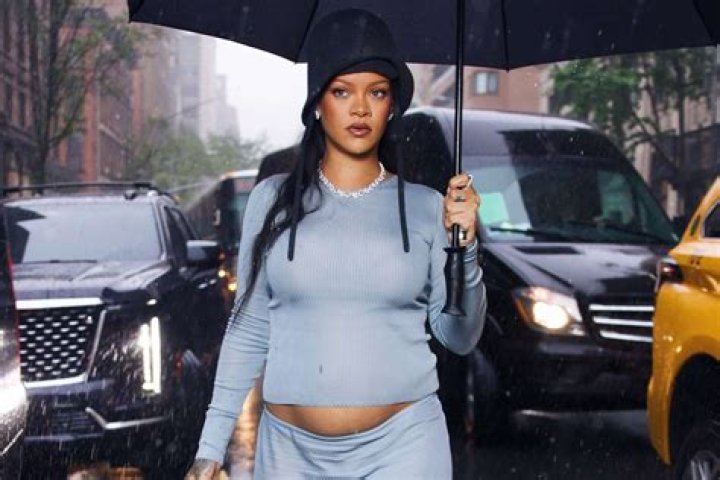
Defining "Is Rihanna Fat"
The phrase "Is Rihanna Fat" refers to the public's scrutiny and discussions surrounding the physical appearance of singer Rihanna. It gained prominence in 2017 when Rihanna's weight gain became a topic of conversation on social media and entertainment news outlets.
Importance and Context
The phrase highlights the societal obsession with female body image and the unrealistic beauty standards imposed on women in the public eye. It has sparked discussions about body positivity, self-acceptance, and the harmful effects of body shaming.
Moving Forward
The phrase "Is Rihanna Fat" continues to be relevant in discussions about body image and the media's portrayal of women. It serves as a reminder of the need for greater acceptance and inclusivity in society.
Is Rihanna Fat?
The phrase "Is Rihanna Fat" has sparked discussions about body image, self-acceptance, and the media's portrayal of women. Here are six key aspects to consider:
- Body Positivity: The phrase has highlighted the importance of embracing all body types and challenging unrealistic beauty standards.
- Media Scrutiny: Rihanna's weight gain became a topic of public discussion, reflecting the intense scrutiny faced by women in the entertainment industry.
- Self-Esteem: The phrase has raised questions about how societal pressures can impact women's self-esteem and body image.
- Health Concerns: While weight gain can be a sign of health issues, it's important to avoid stigmatizing or assuming negative health outcomes based solely on appearance.
- Personal Choices: Individuals have the right to make choices about their own bodies, including how they dress and what they eat.
- Inclusivity: The phrase has emphasized the need for greater inclusivity and acceptance of diverse body types in media and society.
These aspects underscore the complex and multifaceted nature of the phrase "Is Rihanna Fat." It has sparked important conversations about body image, self-acceptance, and the media's influence on our perceptions of beauty and health.
Body Positivity
The phrase "Is Rihanna Fat" has sparked important discussions about body positivity, which is the idea of embracing all body types and challenging unrealistic beauty standards. This movement advocates for self-acceptance, inclusivity, and the celebration of diverse body shapes and sizes.
- Challenging Stereotypes: Body positivity challenges the narrow and often unrealistic beauty ideals that are often portrayed in media and popular culture. It encourages individuals to recognize and appreciate the beauty in all body types, regardless of size, shape, or appearance.
- Promoting Self-Acceptance: Body positivity aims to promote self-acceptance and reduce the stigma associated with certain body types. It encourages individuals to embrace their unique bodies and to recognize that their worth is not determined by their appearance.
- Encouraging Inclusivity: Body positivity advocates for greater inclusivity in media and society. It calls for the representation of diverse body types in fashion, advertising, and other forms of media, so that individuals of all shapes and sizes can feel represented and valued.
The connection between body positivity and the phrase "Is Rihanna Fat" is significant. Rihanna's weight gain sparked discussions about the unrealistic expectations placed on women in the public eye and the importance of embracing diverse body types. It highlighted the need for greater body positivity and inclusivity in society, and encouraged individuals to challenge societal beauty standards and to embrace self-acceptance.
Media Scrutiny
The phrase "Is Rihanna Fat" gained prominence due to the intense media scrutiny surrounding Rihanna's weight gain. This scrutiny reflects the broader issue of women in the entertainment industry facing excessive public attention and criticism over their physical appearance.
Media scrutiny can have a significant impact on women's self-esteem and body image. Constant public commentary and speculation about their weight can lead to feelings of insecurity and inadequacy. In Rihanna's case, the focus on her weight overshadowed her achievements and contributions as an artist.
The media's portrayal of women's bodies has a wider societal impact. It reinforces unrealistic beauty standards and perpetuates the idea that women's worth is tied to their physical appearance. This can have negative consequences for women of all ages, leading to body dissatisfaction, eating disorders, and mental health issues.
Challenging media scrutiny and promoting body positivity are essential for creating a more inclusive and equitable society. By resisting unrealistic beauty standards and celebrating diverse body types, we can create a world where all women feel valued and respected, regardless of their appearance.
Self-Esteem
The phrase "Is Rihanna Fat" has sparked discussions about the impact of societal pressures on women's self-esteem and body image. It highlights the scrutiny and criticism that women in the public eye often face regarding their appearance, which can have detrimental effects on their mental well-being.
- Body Shaming: The public commentary and speculation about Rihanna's weight can be seen as a form of body shaming, which involves criticizing or mocking someone's physical appearance. This can lead to feelings of shame, inadequacy, and low self-esteem.
- Internalization of Beauty Standards: The media's portrayal of Rihanna's weight gain as negative reinforces unrealistic beauty standards and can lead women to internalize these standards, believing that they must conform to a certain ideal to be valued and accepted.
- Comparison and Competition: The constant comparisons between Rihanna's current and past appearance, and to other female celebrities, can foster a culture of competition and self-criticism among women, damaging their self-esteem.
- Focus on Appearance: The emphasis on Rihanna's weight gain overshadows her accomplishments and contributions as an artist, sending the message that women's worth is primarily tied to their physical appearance rather than their talents or achievements.
These factors contribute to the complex relationship between "Is Rihanna Fat" and self-esteem. They highlight the need to challenge societal pressures that perpetuate unrealistic beauty standards and to promote a more positive and inclusive view of women's bodies.
Health Concerns
The phrase "Is Rihanna Fat" has brought attention to the complex relationship between weight gain and health concerns. While it's true that weight gain can be a sign of underlying health issues, it's crucial to avoid stigmatizing or making negative assumptions about someone's health based solely on their appearance.
- Individual Circumstances: Weight gain can be influenced by various factors, including genetics, lifestyle choices, and medical conditions. It's important to consider an individual's unique circumstances and consult with healthcare professionals to determine the underlying causes of weight gain.
- Focus on Health Behaviors: Instead of focusing on weight as the sole indicator of health, it's more beneficial to promote healthy behaviors such as balanced nutrition, regular physical activity, and stress management. These habits contribute to overall well-being and reduce the risk of chronic diseases, regardless of weight.
- Avoidance of Weight Bias: Weight bias refers to the negative attitudes and stereotypes associated with people who are overweight or obese. It's essential to challenge these biases and recognize that weight does not determine a person's worth or health status.
- Health Implications: While weight gain can be a risk factor for certain health conditions, it's important to note that not all overweight or obese individuals will develop these conditions. Regular health check-ups and screenings are crucial for monitoring overall health and identifying any potential health concerns.
Understanding the complexities of weight gain and health concerns is crucial in the context of "Is Rihanna Fat." It emphasizes the importance of avoiding stigmatization and promoting a more nuanced and informed approach to discussions surrounding weight and health.
Personal Choices
The connection between "Personal Choices" and "is Rihanna Fat" highlights the importance of respecting individuals' autonomy over their own bodies and lifestyle decisions. Rihanna's weight gain sparked discussions about the right to make personal choices regarding one's appearance and health.
- Bodily Autonomy: The concept of personal choices emphasizes that individuals have the right to make decisions about their own bodies, including what they eat and how they dress. This includes the right to gain or lose weight without judgment or interference.
- Diverse Perspectives: Different individuals have varying perspectives on health and beauty. Some may prioritize thinness, while others value body positivity and acceptance. Personal choices acknowledge that there is no single ideal body type and that individuals should be free to define their own beauty standards.
- Lifestyle Factors: Weight gain can be influenced by a complex interplay of factors, including genetics, lifestyle choices, and medical conditions. Personal choices recognize that individuals have the right to make decisions about their own lifestyle, including their dietary habits and physical activity levels.
- Respectful Dialogue: Discussions about weight and body image should be conducted respectfully, avoiding stigmatization or body shaming. Personal choices emphasize the importance of listening to and understanding an individual's perspective before making judgments.
In the context of "is Rihanna Fat," personal choices underscore the idea that Rihanna has the right to make decisions about her own body and appearance, and that her weight should not be a subject of public scrutiny or debate. Respecting personal choices fosters a more inclusive and tolerant society that values body diversity and individual autonomy.
Inclusivity
The phrase "is Rihanna Fat" has sparked discussions about inclusivity and the need for greater acceptance of diverse body types in media and society. Here are some key facets to consider:
- Representation and Visibility: The phrase has highlighted the lack of representation of diverse body types in mainstream media. Rihanna's weight gain brought attention to the fact that plus-size women are often underrepresented or portrayed in a negative light, perpetuating unrealistic beauty standards.
- Challenging Stereotypes: The discussions surrounding Rihanna's weight have challenged stereotypes about women's bodies. It has encouraged a broader conversation about the diversity of body shapes and sizes, and the need to move beyond narrow and exclusionary beauty ideals.
- Body Positivity and Acceptance: The phrase has contributed to the growing movement of body positivity, which promotes self-acceptance and challenges societal pressures to conform to unrealistic beauty standards. Rihanna's experience has resonated with many women who have struggled with body image issues, and has helped to normalize the idea that all bodies are beautiful.
- Inclusive Fashion and Beauty: The phrase has also had an impact on the fashion and beauty industries. Designers and retailers are increasingly recognizing the need for more inclusive sizing and representation in their products and campaigns. This shift towards inclusivity is a positive step towards creating a more diverse and representative media landscape.
Overall, the phrase "is Rihanna Fat" has played a significant role in raising awareness about the importance of inclusivity and acceptance of diverse body types. It has challenged societal norms, promoted body positivity, and contributed to a more inclusive representation of women in media and society.
FAQs about "Is Rihanna Fat"
This section addresses common questions and concerns surrounding the topic of "Is Rihanna Fat" in an informative and objective manner.
Question 1: Is it appropriate to comment on Rihanna's weight?
No, it is not appropriate to comment on Rihanna's weight or the weight of any individual. Body shaming and weight-related comments are harmful and can have negative impacts on self-esteem and mental health.
Question 2: Is Rihanna's weight gain a sign of health issues?
Weight gain can be influenced by various factors, including genetics, lifestyle choices, and medical conditions. It is not possible to determine someone's health status based solely on their weight. If you have concerns about your health, it is important to consult with a healthcare professional.
Question 3: Should the media be held accountable for perpetuating unrealistic beauty standards?
Yes, the media has a responsibility to promote positive body image and challenge unrealistic beauty standards. The media should strive to represent a diverse range of body types and promote self-acceptance and inclusivity.
Question 4: How can we promote body positivity?
Body positivity can be promoted by challenging societal beauty standards, celebrating diversity, and practicing self-acceptance. It is important to remember that all bodies are unique and beautiful, regardless of size or shape.
Question 5: What are the benefits of body inclusivity?
Body inclusivity promotes a more positive and accepting society for everyone. It reduces stigma and discrimination based on body size, and it helps to create a more diverse and representative world.
Question 6: How can we challenge weight bias?
Weight bias can be challenged by educating ourselves about the harmful effects of weight-related stigma, promoting body positivity, and advocating for policies that protect individuals from weight-based discrimination.
In conclusion, it is important to approach discussions about weight and body image with sensitivity and respect. Body shaming and weight-related comments are never acceptable. We should strive to promote body positivity, inclusivity, and self-acceptance for all.
Transition to the next article section:
Tips to Promote Body Positivity and Inclusivity
The phrase "Is Rihanna Fat" has sparked important discussions about body image and the need for greater inclusivity. Here are some tips to promote body positivity and inclusivity in our society:
Tip 1: Challenge Societal Beauty Standards
Media and popular culture often portray a narrow and unrealistic ideal of beauty. Challenge these standards by seeking out and supporting diverse representations of body types and appearances.
Tip 2: Practice Self-Acceptance
Embrace your unique body and resist comparing yourself to others. Focus on your strengths and qualities, and practice self-compassion and kindness towards your body.
Tip 3: Promote Inclusivity in Media and Fashion
Support brands and media outlets that represent a diverse range of body types and sizes. Advocate for more inclusive sizing options and reject the glorification of thinness.
Tip 4: Challenge Weight Bias
Educate yourself about the harmful effects of weight-based discrimination and stigma. Challenge weight-related jokes and comments, and promote a culture of respect and acceptance for all body sizes.
Tip 5: Advocate for Body-Positive Policies
Support policies and initiatives that protect individuals from weight-based discrimination in employment, healthcare, and other areas. Promote access to resources and support for individuals struggling with body image issues.
By following these tips, we can create a more inclusive and body-positive society where all individuals feel valued and respected, regardless of their weight or appearance.
Transition to the article's conclusion:
Conclusion
The phrase "Is Rihanna Fat" has sparked important discussions about body image, inclusivity, and the harmful effects of body shaming. It has highlighted the need to challenge unrealistic beauty standards, promote self-acceptance, and create a more diverse and inclusive society.
To achieve these goals, we must continue to challenge societal norms, promote body positivity, and advocate for policies that protect individuals from weight-based discrimination. By working together, we can create a world where all bodies are valued and respected, and where everyone feels comfortable and confident in their own skin.
Is Hannah Berner Still Married
Marlin Joseph
Elizabeth Gillies Husband